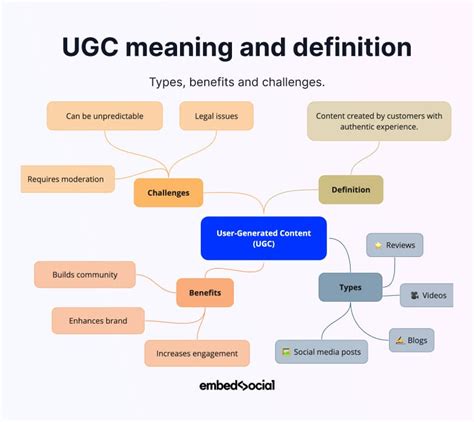
As consumer-generated content continues to shape the landscape of modern marketing, understanding the significance of UGC (User Generated Content) is paramount. UGC involves any form of content created by consumers about their experiences with products, services, or brands. It encompasses a wide range of formats, from social media posts and reviews to blog articles and videos. This article delves into the concept of UGC in marketing, providing expert insights, evidence-based statements, and real-world examples.
Key Insights
- User Generated Content builds authentic connections with consumers.
- It enhances brand credibility and trust.
- Implementing UGC strategies can lead to higher engagement rates.
The Role of UGC in Modern Marketing
In the digital age, traditional advertising methods often struggle to resonate with today’s discerning consumers. Enter UGC: a powerful tool that leverages the voices of real customers to tell compelling brand stories. Unlike branded content, UGC is not crafted by marketing professionals; it is created by everyday users. This authenticity resonates deeply with audiences who value transparency and genuine experiences. For instance, social media platforms like Instagram and TikTok are hotbeds for UGC, where customers share their honest feedback and experiences through photos, videos, and testimonials. This kind of content often carries more weight than traditional advertising because it comes from a trusted peer rather than a corporate entity.
Advantages of Integrating UGC into Marketing Strategies
Incorporating UGC into marketing strategies offers several advantages, fundamentally altering how brands connect with their audience. Firstly, UGC enhances brand credibility and builds trust. When customers see their peers sharing positive experiences with a brand, it naturally fosters a sense of authenticity and reliability. For instance, beauty brands often use customer reviews and unboxing videos on their social media channels. These testimonials, as opposed to traditional advertising, provide a more genuine perspective on product efficacy. Secondly, UGC serves as a cost-effective marketing resource. It reduces the need for extensive advertising budgets since it leverages existing consumer engagement. Brands can encourage UGC by running contests, offering incentives, or simply by creating platforms where customers can easily share their experiences. Finally, UGC allows brands to tap into the power of social proof. When potential customers see others endorsing a product, they are more likely to consider making a purchase.
How can businesses effectively leverage UGC?
Businesses can harness UGC by creating platforms for customer contributions, such as branded hashtags or interactive campaigns. Encouraging users to share their experiences through social media, product reviews, or blog posts fosters a community of engaged brand advocates. Brands should also provide clear guidelines and incentives for participation to maximize the volume and quality of UGC.
When it comes to fostering a dynamic and engaging marketing environment, businesses must recognize the transformative potential of UGC. By embracing user-generated content, companies not only build stronger connections with their audience but also enhance their brand’s credibility and reach. As this approach continues to evolve, those that successfully integrate UGC into their marketing strategies will stand out in an increasingly crowded digital landscape.