Decoding CC: What Does It Mean in Every Context
The term "CC" may seem simple but can have a variety of meanings across different contexts. Understanding what it stands for and how it functions in your day-to-day activities can be immensely beneficial. This guide will break down the meaning and implications of "CC" across several areas such as email communication, legal contexts, and everyday language, with the aim of helping you decode it and utilize it more effectively.
Whether you’re sending an email, attending a legal proceeding, or discussing something with your friends, knowing what "CC" means in each scenario can make interactions smoother and more efficient.
Let’s dive into this step-by-step to ensure you understand the multi-faceted nature of "CC."
Introduction to CC
CC is short for "carbon copy," a term that traces back to the days when carbon paper was used to duplicate handwritten documents. In modern times, it has evolved but retains the original idea of sending a copy to additional parties. Below, we’ll address the most common contexts in which "CC" is used, provide clear examples, and offer practical tips to help you navigate these situations smoothly.
The problem you might face is not understanding what "CC" implies in each context and how it impacts your communication, efficiency, and relationships. This guide is designed to solve that problem by providing step-by-step guidance, practical solutions, and actionable advice to enhance your use of "CC."
Quick Reference
Quick Reference
- Immediate action item with clear benefit: Always make sure to check the recipients' names when you CC people in emails to avoid unintentional sharing of confidential information.
- Essential tip with step-by-step guidance: To CC someone in an email, enter their email address in the "CC" field below the "To" field when composing your message.
- Common mistake to avoid with solution: Avoid CC’ing everyone on a conversation where only a few need to be informed. This can lead to unnecessary emails cluttering your inbox.
Email Communication: Understanding CC
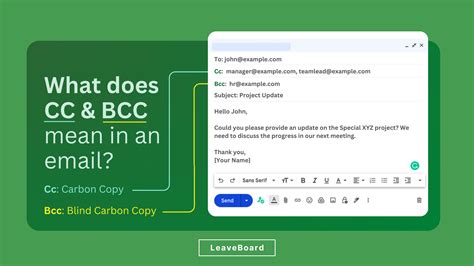
In email communication, "CC" stands for "carbon copy," a function that allows you to send a copy of an email to additional recipients beyond the primary addressee. This can be useful for keeping relevant parties informed without involving them in the primary conversation.
To effectively use the CC function in email, follow these steps:
How to Use CC in Emails
Here’s a comprehensive guide to help you master using the CC function in your emails:
Step-by-Step Guide to Using CC in Emails
Emails are an integral part of both personal and professional communication. Knowing how to use the CC function properly can save you time and prevent miscommunications.
Here's how to CC someone in an email:
- Compose Your Email: Start by composing your email as you normally would. Write the subject and body of your message.
- Add Recipients: Enter the primary recipient's email address in the "To" field. If this is a formal email, ensure it’s correctly addressed to the appropriate person.
- Find the CC Field: Below the "To" field, you’ll see the "CC" (carbon copy) field. Click on it or find the CC icon to open a text box.
- Enter Additional Email Addresses: Type the email addresses of the people you want to CC in the CC field. Separate multiple addresses with a comma.
- Review Before Sending: Double-check the email addresses in both the "To" and "CC" fields to ensure you are not sending confidential information to unintended recipients.
To avoid common pitfalls:
- Check Recipients: Always double-check the recipients’ names before hitting send. This is particularly important if you’re dealing with sensitive information.
- Avoid Overusing CC: Only CC people who need to know the content of the email. Overusing CC can clutter inboxes and make it difficult for recipients to focus on the main message.
- Use BCC Wisely: If sending emails to many people where privacy is important, consider using the "BCC" (blind carbon copy) field instead of CC to keep recipients’ addresses hidden from each other.
Best practices for using CC in emails:
- Always subject line your emails appropriately. For example, “Meeting Update – CC: Management Team
- Use descriptive and concise subject lines to inform recipients of the email's purpose.
- Regularly update your contacts list to ensure all email addresses are current.
Legal Context: Understanding CC
In legal contexts, “CC” might be used in official documents to indicate that a copy of a document has been sent to a particular party or a group of parties. While less common than its use in email, it remains important in formal legal proceedings.
Step-by-Step Guide to Using CC in Legal Documents
When dealing with legal documents, the use of “CC” can help keep track of who has received copies of critical documents, which can be essential for record-keeping and compliance.
- Identify Required Recipients: Determine who needs a copy of the legal document. This could include co-parties in a case, attorneys, or any relevant stakeholders.
- Prepare CC Section: In the document, include a section detailing who the copies are being sent to. You can mention this in the introduction or in a footer note.
- Send Documents: Send the document via the appropriate method (email, mail, or a legal filing system) ensuring to list all recipients both in the main body and in the CC section.
To ensure your use of CC is compliant:
- Use Official Formatting: For formal legal documents, ensure your CC notation is clear and consistent with legal standards.
- Record Keeping: Keep a log of all documents sent, including the date and recipients, to maintain accurate records.
- Consult Legal Advice: When in doubt, seek advice from a legal professional to ensure compliance with any legal requirements.
Practical FAQ
What does CC mean in everyday language?
In everyday language, CC often refers to sending a copy of a message, email, or document to someone in addition to the main recipient. This term is less formal compared to its historical meaning and is generally used in informal settings.
Here’s a clear actionable answer with specific steps:
- Identify Recipients: Decide who needs the information and who should receive a copy.
- Use Email or Messaging Apps: When sending a copy, use the CC field in email or the equivalent in messaging apps.
- Review Recipients: Double-check the email addresses in both the To and CC fields to avoid sending sensitive information to unintended recipients.
- Confirm Delivery: Once sent, ensure the recipients received the message.
By following these steps and tips, you’ll be well-equipped to use CC effectively in a variety of contexts, ensuring clarity, compliance, and efficient communication.
The next time you find yourself trying to decode the meaning of CC in a new context, you’ll be better prepared thanks to this guide’s step-by-step explanations and practical advice.
Embrace these insights, and you’ll find your communications more effective, your records more accurate, and your interactions more seamless.