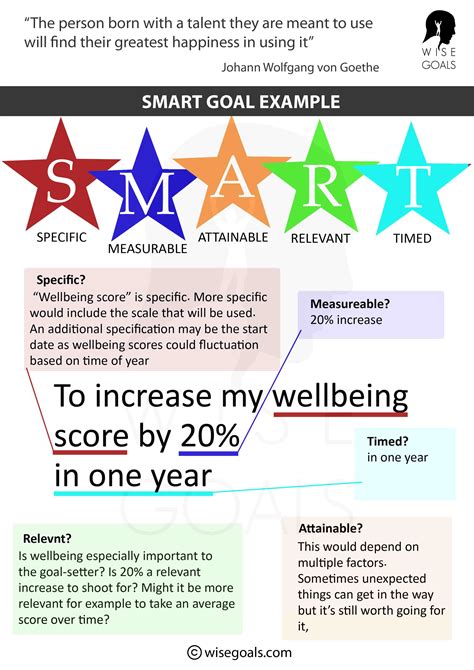
Sure, let’s dive right in to help you understand how to craft and achieve smart goals that will propel you toward success in all areas of your life. Smart goals are essential for creating clear, attainable, and measurable objectives that guide your efforts and keep you focused.
Why Smart Goals Matter
Goals are the milestones on your journey to success. However, setting vague or poorly defined goals can lead to disappointment and wasted effort. Smart goals—Specific, Measurable, Achievable, Relevant, and Time-bound—ensure that your objectives are clear, focused, and actionable. When you set and follow smart goals, you’re more likely to achieve your desired outcomes efficiently.
Quick Reference
Quick Reference
- Immediate action item with clear benefit: Start with a simple SMART goal, like saving $100 in the next 30 days.
- Essential tip with step-by-step guidance: Break down larger goals into smaller, manageable tasks.
- Common mistake to avoid with solution: Failing to review and adjust goals regularly; ensure flexibility in adapting to new circumstances.
Detailed How-to: Crafting Specific Goals
Specific goals give you clear targets that are easy to aim for. Here’s how to craft them:
- Identify Your Objective: Be precise about what you want to achieve. For instance, rather than saying “I want to exercise more,” say “I want to run a 5K race.”
- Use Clear Language: Avoid ambiguity by using precise language. Instead of “I need to improve my diet,” specify “I will track my daily food intake for the next month.”
Being specific helps you eliminate any confusion about what you’re aiming to achieve and creates a solid foundation for all your efforts.
Detailed How-to: Making Goals Measurable
Measurable goals allow you to track your progress and celebrate small wins along the way. Here’s how to ensure your goals are measurable:
- Set Clear Metrics: Determine what success looks like in concrete terms. For example, if your goal is to improve your productivity, you could measure it by tracking the number of tasks completed each week.
- Use Tracking Tools: Consider using apps, journals, or spreadsheets to monitor your progress. These tools provide tangible data to evaluate how well you’re doing.
Regularly reviewing your metrics helps you stay on track and make necessary adjustments if you’re falling short.
Detailed How-to: Ensuring Goals Are Achievable
Achievable goals are realistic and attainable. You need to believe in your capability to accomplish them. Here’s how to make sure your goals are realistic:
- Assess Your Resources: Identify what you have at your disposal—time, money, skills—and ensure your goals align with these resources.
- Start Small: If a goal seems too big, break it down into smaller, manageable parts. For example, instead of “I want to read 50 books in a year,” start with “I want to read one book every two months.”
By starting small, you build confidence and gradually work towards larger achievements without feeling overwhelmed.
Detailed How-to: Making Goals Relevant
Relevant goals align with your broader life objectives and personal values. Here’s how to ensure your goals matter to you:
- Connect to Your Values: Reflect on what’s truly important to you. A goal that aligns with your values is more likely to inspire you to act on it consistently.
- Prioritize: Rank your goals based on importance and how they fit into your life as a whole. For instance, if family is important to you, setting a goal to spend more time with loved ones could be highly relevant.
Aligning goals with your values and priorities ensures that every step you take feels meaningful and purposeful.
Detailed How-to: Setting Time-bound Goals
Time-bound goals have a clear deadline, which adds a sense of urgency and helps you prioritize your efforts. Here’s how to make your goals time-bound:
- Set Deadlines: Assign a specific date or timeframe to your goal. For example, “I want to finish writing my first novel by the end of next year.”
- Create Milestones: Break down your goal into smaller deadlines. For instance, you could plan to complete a chapter every two weeks to ensure you’re on track.
Setting deadlines and milestones keeps you accountable and helps you measure progress over time.
Practical FAQ
How do I stay motivated when working on my smart goals?
Staying motivated is crucial for long-term success. Here are some actionable strategies:
- Celebrate Small Wins: Recognize and reward yourself for achieving small milestones along the way. This boosts morale and keeps you motivated.
- Find a Accountability Partner: Share your goals with someone who can hold you accountable and offer support. This could be a friend, family member, or coach.
- Visualize Success: Regularly remind yourself of why your goal is important and visualize the success you’ll achieve. This mental rehearsal can boost motivation.
By employing these techniques, you’ll maintain momentum and stay focused on your smart goals.
Common Pitfalls and How to Avoid Them
When setting and pursuing smart goals, it’s easy to fall into certain traps. Here’s how to avoid them:
- Underestimating Effort: Don’t underestimate the time and effort required to achieve your goals. Set realistic timelines and break tasks into smaller steps.
- Neglecting Flexibility: Life happens. Allow some flexibility in your goals and plans to accommodate unexpected changes. Be prepared to adjust if necessary.
- Ignoring Progress Monitoring: Regularly check your progress and celebrate the successes. If you’re not on track, reassess your approach and make necessary changes.
Avoiding these pitfalls can make the difference between success and failure on your journey to achieving your smart goals.
By following this guide and incorporating these strategies, you’ll be well on your way to setting and achieving smart goals that lead to tangible success in every area of your life. Remember, the key is to start with clear, achievable objectives, stay motivated, and regularly monitor your progress. Happy goal-setting!