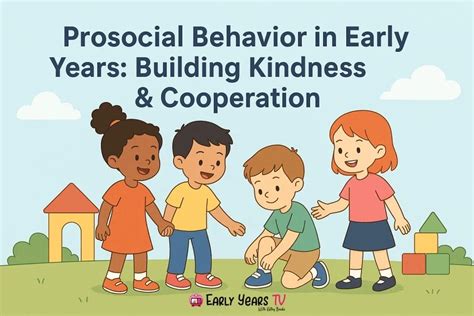
Prosocial development in children is a crucial aspect of their overall growth and social well-being. This development, characterized by behaviors such as cooperation, empathy, and altruism, lays the foundation for a harmonious society. As professionals in education, child psychology, and parenting, understanding and fostering prosocial behaviors in children can lead to more successful and emotionally balanced individuals.
Key Insights
- Prosocial behaviors significantly enhance emotional and social competence in children.
- Implementing structured prosocial activities can effectively boost these behaviors.
- Parental modeling and positive reinforcement play crucial roles in nurturing prosocial development.
Understanding Prosocial Behavior
Prosocial behavior refers to actions that benefit others. These behaviors include acts of kindness, sharing, cooperation, and empathy. From a young age, children begin to exhibit these traits, often through observed interactions with their caregivers and peers. For example, a child who sees their parent helping a stranger demonstrates an early form of prosocial behavior. Understanding these behaviors involves recognizing their developmental stages and the importance they hold in social and emotional learning.Strategies for Promoting Prosocial Development
Incorporating prosocial activities in daily routines is essential for nurturing these traits in children. One effective method is to integrate role-playing games where children can practice empathy and cooperative skills. For instance, group activities that require working together to solve a problem encourage teamwork and communication. Moreover, parents and educators should model prosocial behaviors, as children are keen observers of adult conduct. For example, a teacher who openly shows appreciation for a classmate’s efforts not only models prosocial behavior but also encourages children to mimic this behavior.How can teachers incorporate prosocial learning into the curriculum?
Teachers can seamlessly integrate prosocial learning by designing activities that emphasize collaboration and empathy. Projects that involve community service or peer collaboration promote these skills while aligning with academic goals.
What role does media play in children’s prosocial development?
Media, especially television and online content, can significantly influence children’s prosocial behaviors. Educational programs featuring characters who demonstrate empathy and cooperation can inspire similar behaviors in children. However, it’s crucial to guide children in discerning between appropriate and inappropriate prosocial behaviors presented in media.
The cultivation of prosocial development in children requires a concerted effort from parents, educators, and society at large. Through practical strategies and evidence-based approaches, we can enhance the emotional and social competence of future generations. As we continue to delve into the complexities of child psychology and social interaction, the role of fostering prosocial behaviors remains a pivotal focus for creating a compassionate and cooperative society.