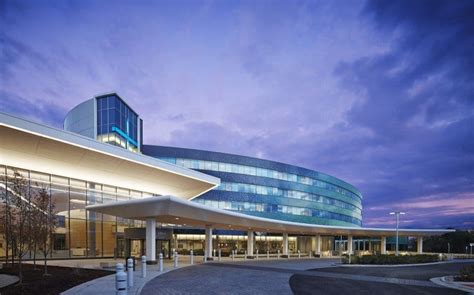
The digital age has dramatically reshaped the landscape of many industries, yet one sector still holding steadfast to traditional methods is often overlooked: healthcare. Mercy West, a prominent healthcare provider, stands on the precipice of a transformative journey. As technology accelerates its march forward, it’s becoming increasingly evident that integrating digital innovations is no longer an option but a necessity. This article aims to delve into the pressing need for Mercy West to adopt modern technology, backed by expert insights and real-world examples, offering a clear, authoritative perspective on how this shift can revolutionize patient care.
Key Insights
- Adopting EHR systems can significantly streamline operations and improve patient outcomes.
- Remote telehealth services enable better access to healthcare, especially for underserved populations.
- Implementing data analytics can lead to more informed decision-making and cost-effective practices.
Healthcare is evolving rapidly, with electronic health records (EHR) systems standing out as a primary insight with significant practical relevance. By adopting EHR, Mercy West can shift from paper-based records to a more efficient, digital platform that integrates seamlessly across departments. This transition reduces administrative workload and errors, ensuring healthcare providers have up-to-date patient information at their fingertips. A practical example can be seen in Mercy West’s counterpart, Allina Health, which saw a 30% reduction in documentation time and a 15% increase in patient satisfaction scores after fully implementing an EHR system.
Telehealth has emerged as a game-changer in modern healthcare. Mercy West stands to benefit considerably by integrating remote telehealth services into its offerings. This approach facilitates continuous patient care, allowing for remote consultations and follow-ups. During the COVID-19 pandemic, telehealth saw a surge in adoption, highlighting its potential to bridge the gap for patients who have limited access to traditional healthcare settings. For instance, the University of Utah Health experienced a 700% increase in telehealth visits during the pandemic, underscoring the feasibility and patient preference for remote healthcare services.
Data analytics is another cornerstone of modern healthcare, offering transformative potential for Mercy West. Through data-driven insights, the organization can identify trends, predict patient outcomes, and devise proactive strategies. For example, the Mayo Clinic utilizes advanced analytics to enhance patient care, leading to better health outcomes and reduced hospital readmissions. By implementing predictive analytics, Mercy West can tailor interventions to individual patient needs, fostering a more personalized care approach and ultimately driving operational efficiencies.
What challenges might Mercy West face in adopting new technologies?
While the benefits of technology adoption are clear, Mercy West may encounter challenges such as resistance to change from staff, high initial investment costs, and ensuring data security. Addressing these concerns requires a phased approach, adequate training, and robust cybersecurity measures.
How can Mercy West ensure patient data privacy when adopting new technologies?
Ensuring patient data privacy is paramount when integrating new technologies. Mercy West should adhere to HIPAA regulations, implement encryption and robust cybersecurity protocols, and conduct regular audits to maintain compliance and safeguard patient information.
In conclusion, the journey towards digital transformation for Mercy West is not merely an upgrade but a fundamental shift that promises to revolutionize patient care. By embracing EHR systems, expanding telehealth services, and leveraging data analytics, Mercy West can set a new standard for modern healthcare, ensuring it remains at the forefront of innovation and patient satisfaction.