Understanding the Struggle of Building a Strong Chest
Many fitness enthusiasts and athletes encounter a common challenge: building a strong, muscular chest. Whether you’re aiming to enhance your performance in sports, improve your physique for aesthetic reasons, or simply achieve a healthier lifestyle, developing a powerful chest can seem daunting. The truth is, it requires not just time and effort but also a clear, structured approach. This guide will provide you with everything you need to understand and tackle the complexities of chest development. From fundamental concepts to advanced techniques, you’ll learn practical steps to maximize your chest-building potential.
Quick Reference
Quick Reference
- Immediate action item: Incorporate compound exercises like bench press and dips into your routine for maximum muscle engagement.
- Essential tip: Focus on progressive overload by gradually increasing the weight you lift to continually challenge your muscles.
- Common mistake to avoid: Neglecting accessory exercises that target different areas of the chest can lead to muscle imbalances.
Getting Started: The Basics of Chest Development
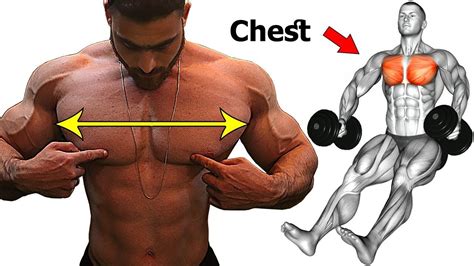
To begin your journey towards a well-developed chest, it’s crucial to start with the basics. This involves understanding the anatomy of the chest muscles, which primarily consist of the pectoralis major and minor. The pectoralis major is the larger muscle that covers the upper chest and is responsible for most of the chest’s bulk, while the pectoralis minor lies underneath and aids in shoulder blade movement.
The next step is planning your workout routine. A balanced chest workout should include a mix of compound and isolation exercises. Compound exercises engage multiple muscle groups and are excellent for building overall muscle mass, while isolation exercises focus on specific muscles for targeted growth. Below is a simple yet effective chest workout that anyone can follow.
Sample Chest Workout Plan
- Bench Press (4 sets of 8-12 reps)
- Incline Dumbbell Press (3 sets of 8-12 reps)
- Dips (3 sets to failure)
- Cable Flyes (3 sets of 12-15 reps)
- Push-Ups (3 sets to failure)
Mastering Compound Exercises
Compound exercises form the backbone of any effective chest workout. These exercises engage multiple muscles, providing a greater stimulus for growth compared to isolation exercises. Here, we delve deeper into some of the most effective compound exercises for building a strong chest.
Bench Press
The bench press is arguably the most iconic exercise for building chest strength. Here’s a step-by-step guide:
- Setup: Lie on a flat bench with your feet firmly planted on the floor.
- Grip: Grip the barbell with your hands slightly wider than shoulder-width apart.
- Lift: Unrack the barbell and lower it to your mid-chest, keeping your elbows at a 45-degree angle.
- Press: Push the barbell back up until your arms are fully extended but not locked.
- Breathing: Inhale as you lower the bar and exhale as you push it up.
Remember to maintain a straight back and core stability throughout the exercise. This helps prevent injuries and ensures maximum chest engagement.
Incline Dumbbell Press
The incline dumbbell press targets the upper part of your chest and helps in adding volume. Here’s how to do it:
- Setup: Lie on an incline bench set at a 30-45 degree angle with your feet firmly planted on the floor.
- Grip: Hold a dumbbell in each hand, with your palms facing forward.
- Lift: Lift the dumbbells to chest level, keeping your elbows at a 90-degree angle.
- Press: Lower the dumbbells until they touch your chest and then press them back up to the starting position.
- Breathing: Inhale as you lower the weights and exhale as you press them up.
Ensure you don’t arch your back or lean too far forward on the bench. This exercise helps in targeting the upper pectoral muscles effectively.
Isolation Exercises for the Chest
While compound exercises provide a comprehensive workout, isolation exercises help refine and add detail to your chest muscles. These exercises focus on one specific muscle or muscle group, allowing for targeted development.
Cable Flyes
Cable flyes are excellent for adding width to your chest by focusing on the pectoralis major. Here’s how to perform them:
- Setup: Sit on a cable machine with an attached lat bar at chest height.
- Grip: Hold the bar with your palms facing each other.
- Lift: Extend your arms straight out to the sides and then bring them back together above your chest.
- Breathing: Inhale as you extend your arms and exhale as you bring them back together.
Maintain control throughout the movement to ensure effective muscle engagement and to avoid injury.
Push-Ups
Push-ups are a classic exercise that doesn’t require any equipment and can be done anywhere. They work both the chest and the triceps. Here’s a technique tip:
- Setup: Start in a plank position with your hands slightly wider than shoulder-width apart.
- Movement: Lower your body until your chest almost touches the floor, then push yourself back up.
- Breathing: Inhale as you lower yourself and exhale as you push up.
Maintain a straight line from your head to your heels to engage your core and lower back properly. For added difficulty, try incline or decline push-ups.
Practical Tips for Maximizing Muscle Growth
To truly maximize chest development, it’s essential to go beyond just the exercises. Here are some practical tips to keep in mind:
- Nutrition: Fuel your body with adequate protein, carbohydrates, and fats. Protein is particularly important for muscle repair and growth. Aim for a protein intake of 1.6 to 2.2 grams per kilogram of body weight.
- Rest: Ensure you get adequate rest and recovery. Muscles grow while they rest, so make sure to include rest days in your routine.
- Consistency: Stick to your workout routine consistently. Consistency is key in seeing long-term results.
Implementing these tips will support your workout efforts and help you achieve the best possible results.
Frequently Asked Questions
How often should I work out my chest?
For optimal muscle growth, it’s recommended to work out your chest 2-3 times a week. This frequency allows for sufficient stimulation while also providing adequate recovery time.
Is it necessary to use heavy weights for chest exercises?
While heavy weights can be effective, it’s not always necessary. Focus on using weights that challenge you but allow you to maintain good form. As you get stronger, you can increase the weight. The key is progressive overload—gradually increasing the weight or resistance.
What should I do if I hit a plateau in my chest growth?
If you hit a plateau, consider varying your exercises. Try different angles, include more compound movements, or incorporate advanced techniques like supersets or dropsets. Additionally, reassess your nutrition and make sure you’re consuming enough