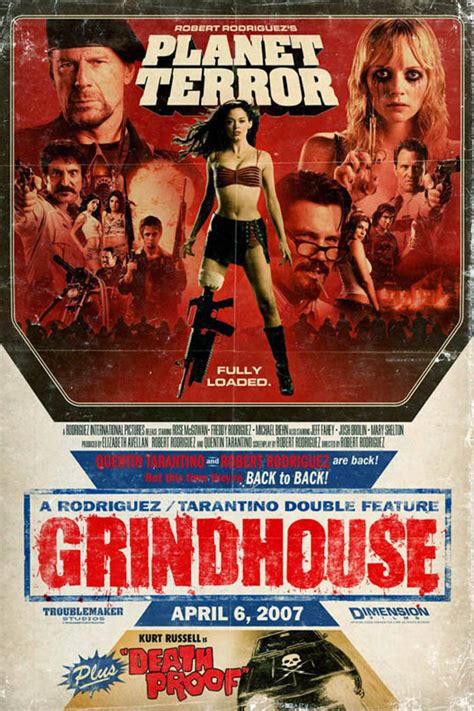
Plunging into the realm of grindhouse cinema, we revisit a golden era that has long been relegated to the annals of forgotten cult classics. The term “grindhouse” conjures images of 1970s and 1980s single-screen theaters showing R-rated, often exploitative, films. These movies were designed for shock value, pushing boundaries and often vilified for their controversial content. Yet, beneath the surface lies a trove of innovation and creativity that continues to captivate dedicated fans and critics alike.
Key Insights
- The grindhouse era, characterized by its raw, unapologetic approach, is ripe for rediscovery in today’s cinematic landscape.
- Technical advancements have made it easier to revisit these films, preserving their unique charm.
- Cult classics from this era often serve as blueprints for modern genre filmmaking.
The sheer audacity of grindhouse cinema remains its most compelling attribute. Films like “Night of the Living Dead” and “Death Race 2000” didn’t just entertain audiences; they redefined the boundaries of fear, exploitation, and horror. This unapologetic exploration of taboo subjects laid the groundwork for future filmmakers to experiment with genre boundaries. Today, the resurgence of interest in these forgotten classics demonstrates an enduring appreciation for bold storytelling and genre-defying narratives.
The Resurgence of Forgotten Gems
In recent years, we’ve seen a concerted effort to revive interest in these neglected films. With the advent of streaming platforms, it’s now easier to access a wide range of obscure titles once confined to niche markets or lost in the shuffle of time. This revival isn’t merely a nostalgic trip down memory lane; it’s a testament to the undying influence of these films on modern genre cinema. Directors and writers today often cite these grindhouse classics as significant influences on their work, underscoring their lasting impact.Technical Advancements and Preservation Efforts
Advancements in technology have made a significant difference in preserving the integrity of grindhouse classics. High-definition restorations have breathed new life into many of these forgotten gems. Digital remastering ensures that the unique visual aesthetics—such as grainy textures and vivid color palettes—are retained, allowing modern audiences to experience the films as they were originally intended. Additionally, initiatives like crowdfunding have helped finance preservation projects, giving these cult favorites the respect and care they deserve.What defines a grindhouse film?
Grindhouse films are typically characterized by their unapologetic, often controversial content aimed at pushing the boundaries of mainstream cinema. They usually feature extreme violence, explicit sexuality, and controversial themes, making them quintessential examples of 1970s and 1980s exploitation cinema.
Why are grindhouse classics important today?
Grindhouse classics have significantly influenced modern genre filmmaking. Their audacious storytelling and technical bravado offer a blueprint for today’s filmmakers to experiment with genre conventions, making them still relevant and highly valued in contemporary film culture.
The grindhouse movement’s contribution to the evolution of genre cinema cannot be overstated. These films were often made on low budgets, yet their audacious storytelling and groundbreaking approach have left an indelible mark on the film industry. The resurgence of interest in these forgotten classics demonstrates not only their continued relevance but also the undying creativity that fuels the genre film landscape. As we delve deeper into the revival of these cult classics, we open doors to a richer understanding and appreciation of the grindhouse’s indelible impact on modern cinema.