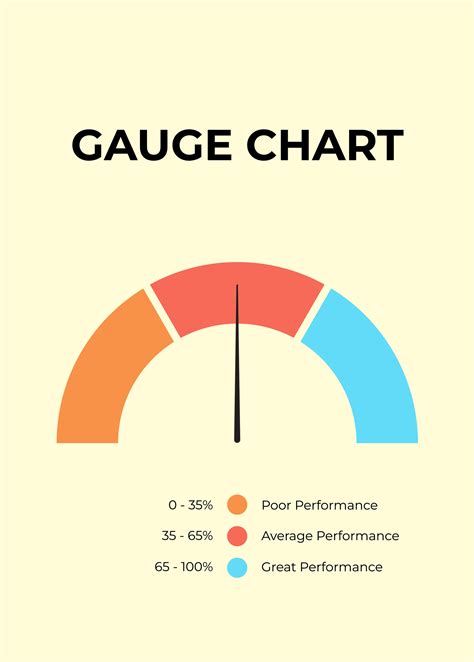
Understanding the subtleties of gauge systems is critical for modern data-driven decision-making processes. Whether in manufacturing, healthcare, or finance, gauges serve as vital instruments for monitoring performance metrics and ensuring quality control. This article delves into the complexities of gauge mastery, providing expert insights and practical applications for harnessing their full potential.
Key insights box:
Key Insights
- Primary insight with practical relevance: Implementing advanced calibration techniques can significantly enhance the accuracy of gauge readings.
- Technical consideration with clear application: Utilizing real-time data analytics on gauge outputs can lead to more timely and effective decision-making.
- Actionable recommendation: Regularly training staff on the use and interpretation of gauges can optimize performance and reduce errors.
Analyzing the precision of gauges in manufacturing processes is paramount for maintaining production efficiency and product quality. In an industrial environment, where decisions are often based on precise measurements, even minor discrepancies can lead to costly mistakes. To unlock hidden insights, it is essential to employ sophisticated calibration methods that ensure gauges provide the most accurate readings possible. Advanced calibration techniques involve regular, systematic adjustments to account for potential drifts or inaccuracies. Implementing these methods not only ensures compliance with industry standards but also fosters a culture of precision and accountability.
The integration of real-time data analytics into gauge systems is another pivotal element of gauge mastery. In today’s data-driven world, the ability to process and interpret data swiftly can be the difference between effective and ineffective management. Real-time data analytics allows organizations to monitor gauge outputs continuously, providing immediate feedback that can be used to adjust processes as necessary. This proactive approach minimizes waste, reduces downtime, and enhances overall operational efficiency. For instance, a manufacturing company that leverages real-time analytics on gauges measuring raw material intake can detect deviations from optimal conditions instantly, triggering alerts and enabling swift corrective actions.
Moreover, the technical application of real-time data extends beyond just monitoring; it also plays a critical role in predictive maintenance. By analyzing trends and patterns in gauge data, organizations can predict equipment failures before they occur, thus preventing unexpected downtimes and reducing maintenance costs. This predictive capability is particularly valuable in sectors like healthcare, where patient safety relies on the precise calibration of medical devices.
Regular staff training on gauge usage and interpretation is another key element of gauge mastery. Despite the high-tech advancements in gauge systems, human error remains a significant factor in measurement inaccuracies. Comprehensive training programs that cover the practical aspects of gauge operation, such as understanding different types of gauges, proper calibration procedures, and interpretation of gauge readings, are essential. This knowledge empowers staff to make informed decisions based on accurate data, ensuring the reliability of the information they use in their daily operations.
In healthcare, for example, proper training on medical device gauges ensures that staff can accurately monitor patient vitals, leading to timely interventions and improved patient outcomes. Similarly, in financial sectors, well-trained personnel can ensure the precise interpretation of gauges used in risk assessment and performance tracking, thereby supporting more accurate and reliable decision-making processes.
FAQ section:
What are the common types of gauges used in various industries?
Common types of gauges include pressure gauges, thermometers, and flow meters. Each type serves specific functions across industries: pressure gauges monitor fluid or gas pressure, thermometers measure temperature, and flow meters track fluid or gas flow rates. In manufacturing, for instance, pressure and flow meters are critical for maintaining process integrity, while in healthcare, thermometers and pressure gauges are vital for monitoring patient health and equipment functionality.
How often should gauges be calibrated?
The frequency of gauge calibration depends on the specific requirements of the industry and the type of gauge being used. Generally, it is recommended to calibrate gauges at least annually, but more precise instruments, such as those used in critical manufacturing processes or high-stakes medical applications, may require calibration every six months or even more frequently. Regular calibration ensures the ongoing accuracy and reliability of gauge readings.
This article underscores the importance of gauge mastery and offers practical insights for leveraging gauges to enhance decision-making and operational efficiency across various sectors. By focusing on advanced calibration techniques, real-time data analytics, and comprehensive staff training, organizations can unlock hidden insights that drive performance and ensure quality control.